Vaccines (Vaccinations) for Those Studying or Traveling in "Southeast Asia"

Target Regions
Thailand, Vietnam, the Philippines, Indonesia, Cambodia, Singapore, Myanmar, etc.
In Southeast Asia, hepatitis A and typhoid are common infections, and receiving these vaccinations beforehand can greatly reduce the risk of infection through food and drinking water.
Japanese encephalitis occurs throughout Southeast Asia, and vaccination is recommended particularly if you are planning to travel to rural areas.
There are also diseases without vaccines, such as dengue fever, so mosquito-bite prevention is important.
Click any item in the table of contents to jump partway into the article.
Please select the section to jump to.
Note that the prices indicated in this page are all inclusive of tax.
Recommended Vaccines
| Vaccine | Level of recommendation | Vaccines available | Number of doses | Price (JPY) |
|---|---|---|---|---|
| measles | ◎ | MMR (Priorix or MMRⅡ) | 1 to 2 doses | 10,000 |
| rubella | ||||
| tetanus*1 | ◎ | tetanus toxoid | 1 or 3 doses★ | 4,000 |
| hepatitis A*2 | ◎ | Aimmugen | 3 doses | 16,500 |
| Havisure | 2 doses | 13,000 | ||
| typhoid | ◎ | Typbar TCV | 1 dose | 10,000 |
| hepatitis B*2 | ✓ recommended for long-term stays | Bimmugen | 3 doses | 7,000 |
| rabies | ✓ recommended if you will be in contact with animals | ChiroRab | 3 doses | 13,000 |
| polio | ✓ recommended for areas where cases occur | Imovax Polio | 1 or 3 doses★ | 9,000 |
| Japanese encephalitis | ✓ recommended for rural areas | ENCEVAC | 1 or 3 doses★ | 7,500 |
| influenza | ✓ recommended during the epidemic season | influenza HA vaccine | 1 dose as a rule | 4,000 |
| malaria | △ recommended for rural areas where cases occur | Malarone | Start taking it 1 to 2 days before travel Take 1 tablet once a day Continue for 1 week after returning home | 750/tablet |
| Mephaquin | Start taking it 1 to 2 weeks before travel Take 1 tablet once a week Continue for 4 weeks after returning home, then finish | 1,100/tablet |
★ 1 dose if the primary series was completed in childhood
*1 We also carry Tdap (tetanus, pertussis and diphtheria) at 9,000 JPY and DPT-IPV (tetanus, pertussis, diphtheria and polio) at 12,000 JPY.
*2 We also carry a hepatitis A and hepatitis B combination vaccine (Twinrix) at 13,000 JPY.
Diseases to watch out for at your destination are explained in detail on the page below.
Precautions During Your Stay
Preventing Infections from Food and Drink
Care is needed regarding infections transmitted through food and drink.
Food poisoning is common, so it is important to choose thoroughly cooked dishes and to avoid eating at street stalls or establishments with inadequate hygiene management.
Avoid untreated water, ice, raw vegetables and cut fruit, and peel fruit yourself before eating it.
Hepatitis A and typhoid, which are transmitted via food and water, can be prevented with vaccination beforehand.
Mosquito-Bite Prevention
In Southeast Asia, the risk of dengue fever transmitted by mosquitoes is high, so mosquito-bite prevention is essential.
A dengue fever vaccine is available in some countries, but fundamentally, measures to avoid mosquito bites (wearing long sleeves, using insect repellent spray), etc., are effective.
Risk of Contact with Wild Animals, Including Rabies
In the Philippines and Vietnam, deaths from rabies are reported every year.
These countries are consistently among the top 5 for the number of cases.
In addition, outbreaks of avian influenza (H5N1) are continuing, so take care not to approach or touch animals, and consider rabies vaccination as well.
If you are bitten by an animal, please seek medical attention immediately.
Appointments
Vaccination is available without an appointment.
Because we give priority to those with appointments, please book below if your schedule is already package.
– Maternal and Child Health Handbook (a copy or a photo is also acceptable)
– Documents (if you would like a medical certificate or vaccination certificate issued in a specified format, please bring the documents)
For vaccines and vaccinations for other regions, please see this page.
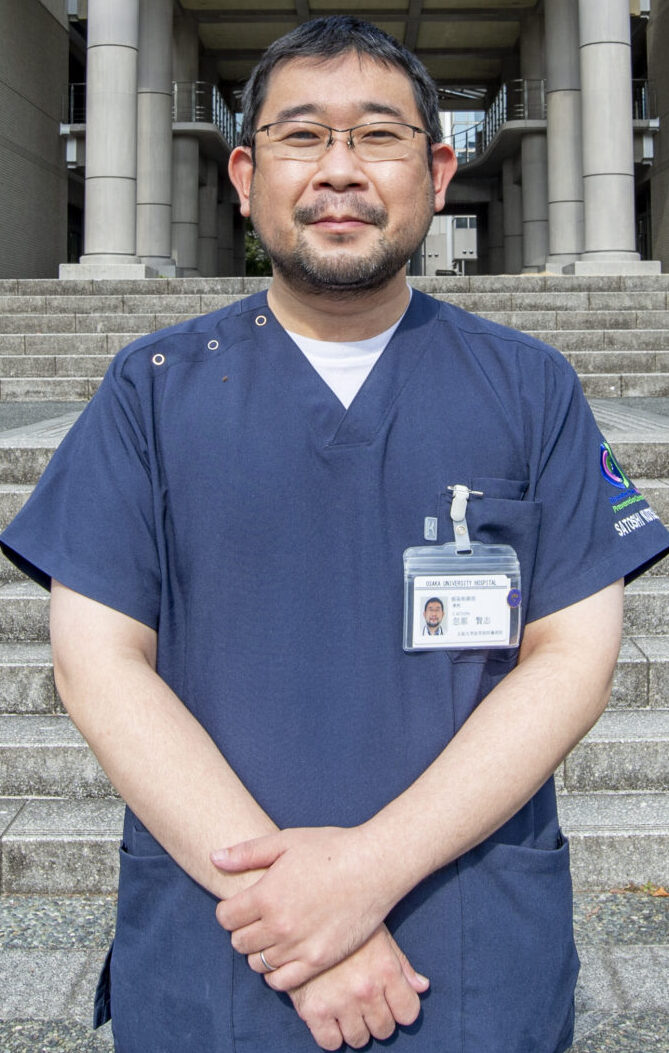
[Dr. Satoshi Kutsuna]
Specialist in infectious disease internal medicine, PhD in medicine.
For about 10 years he was engaged in travel medicine and imported infectious disease care at the National Center for Global Health and Medicine Hospital (Shinjuku-ku, Tokyo), home to Japan's largest travel clinic, and he continues to be involved in activities including clinical practice and research today.
His other areas of specialty are emerging and re-emerging infectious diseases and COVID infection, and he works to raise awareness of infectious diseases through a variety of outlets including the media and the internet.
He also sees patients at our clinic as a part-time physician and supervises our Travel Medicine.