Vaccines (Vaccinations) for Those Studying or Traveling in "North America"

Target Regions
The United States, Canada, etc.
In North America, the basic vaccines are recommended, but it is a region where special additional doses are relatively rarely required.
Measles and rubella do break out from time to time, so you need to check whether you have received the MR (measles and rubella) vaccine.
In particular, a large-scale measles outbreak was reported in the United States in 2025.
The tetanus vaccine is also effective for about 10 years, so you may want to consider a booster dose (an additional dose).
Click any item in the table of contents to jump partway into the article.
Please select the section to jump to.
Note that the prices indicated in this page are all inclusive of tax.
Recommended Vaccines
| Vaccine | Level of recommendation | Vaccines available | Number of doses | Price (JPY) |
|---|---|---|---|---|
| measles | ◎ | MMR (Priorix or MMRⅡ) | 1 to 2 doses | 10,000 |
| rubella | ||||
| tetanus*1 | ◎ | tetanus toxoid | 1 or 3 doses★ | 4,000 |
| influenza | ✓ recommended during the epidemic season | influenza HA vaccine | 1 dose as a rule | 4,000 |
| rabies | △ recommended if you will be in contact with animals | ChiroRab | 3 doses | 13,000 |
| hepatitis A*2 | △ recommended for long-term stays | Aimmugen | 3 doses | 16,500 |
| Havisure | 2 doses | 13,000 | ||
| hepatitis B*2 | △ recommended for long-term stays | Bimmugen | 3 doses | 7,000 |
★ 1 dose if the primary series was completed in childhood
*1 We also carry Tdap (tetanus, pertussis and diphtheria) at 9,000 JPY and DPT-IPV (tetanus, pertussis, diphtheria and polio) at 12,000 JPY.
*2 We also carry a hepatitis A and hepatitis B combination vaccine (Twinrix) at 13,000 JPY.
Students moving into dormitories for study abroad are often required to have the meningococcal vaccine (particularly the conjugate vaccine) and Tdap (tetanus, pertussis and diphtheria) in addition to routine childhood vaccinations such as those for various epidemic viral diseases, so please check the requirements.
Diseases to watch out for at your destination are explained in detail on the page below.
Precautions During Your Stay
Precautions for Camping and Hiking
If you go camping or hiking, you need to take measures to avoid tick and mosquito bites.
Also make use of sunscreen, a hat and sunglasses as sun protection, and be sure to stay well hydrated to prevent heatstroke.
Risk of Contact with Wild Animals, Including Rabies
It is important to avoid contact with wild animals and keep the risk of infection to a minimum.
If you will have opportunities to come into contact with wild animals such as dogs, raccoons and bats, we recommend getting the rabies vaccine.
Preventing Infections from Food and Drink
Because hepatitis A, food poisoning and the like have been reported, care is needed with raw foods, undercooked seafood and tap water.
Make a point of using mineral water, and avoid drinking tap water.
Appointments
Vaccination is available without an appointment.
Because we give priority to those with appointments, please book below if your schedule is already package.
– Maternal and Child Health Handbook (a copy or a photo is also acceptable)
– Documents (if you would like a medical certificate or vaccination certificate issued in a specified format, please bring the documents)
For vaccines and vaccinations for other regions, please see this page.
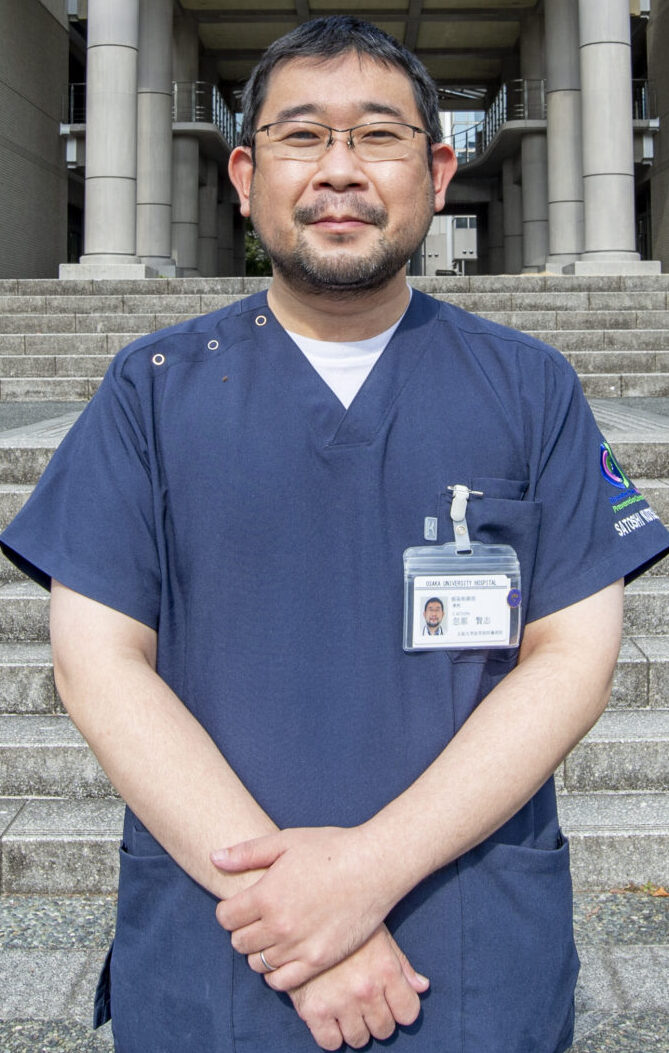
[Dr. Satoshi Kutsuna]
Specialist in infectious disease internal medicine, PhD in medicine.
For about 10 years he was engaged in travel medicine and imported infectious disease care at the National Center for Global Health and Medicine Hospital (Shinjuku-ku, Tokyo), home to Japan's largest travel clinic, and he continues to be involved in activities including clinical practice and research today.
His other areas of specialty are emerging and re-emerging infectious diseases and COVID infection, and he works to raise awareness of infectious diseases through a variety of outlets including the media and the internet.
He also sees patients at our clinic as a part-time physician and supervises our Travel Medicine.